

In June 2022 the fountains in Nottingham’s Old Market Square were turned off after water was discovered leaking into an electrical control area below the mechanism. The water features were a draw for children and their families during hot weather, with youngsters playing in the pools and beneath the jets as shoppers trundled past. In December 2023, and with Nottingham City Council having effectively declared bankruptcy, the local authority confirmed that the features would be switched off permanently in an effort to save £30,000 per year. When I went to the city last year this was indeed the case; Nottingham Council House looked on sternly as the attractive stonework stayed bone-dry. The early morning square was desolate save for pigeons and shop workers walking to their places of employment.
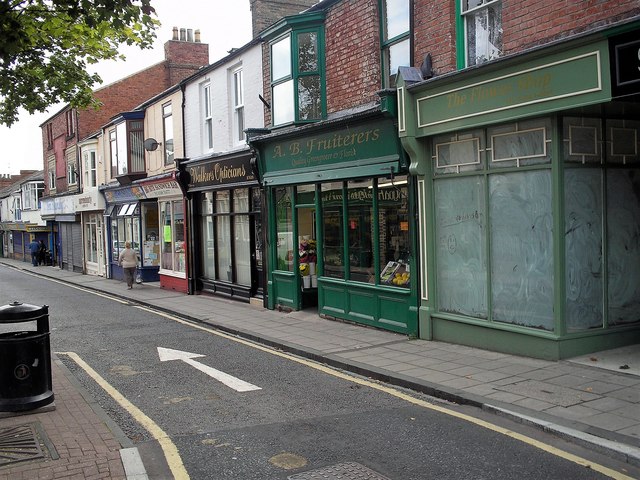
Financial issues affecting town and city centre aesthetics is not unique to Nottingham. In July 2024 the Glasgow Chamber of Commerce said that the city centre was in need of ‘fresh life’, whilst Birmingham City Council’s bankruptcy has resulted in dirtier streets and threats to cultural heritage in England’s second city. In straightened financial times it is easy to understand why local authorities choose to cut seemingly frivolous spending first; after all, shouldn’t we prioritise services like social care and education over the maintenance of water features or ensuring that the facades of historic buildings are scrubbed clean?
Continue reading “Place, Parallax, and a Sense of Community | Article”