Stories in Gold Dust magazine, Literally Stories, Close to the Bone, McStorytellers, Penny Shorts, Soft Cartel, Whatever Keeps the Lights On, Flashback Fiction, Cafelit, Best MicroFiction 2021, Writer’s Egg, Idle Ink, The Wild Word, Down in the Dirt, and Shooter magazine.
Author: Matthew J. Richardson
Words in Gold Dust magazine, Literally Stories, Close to the Bone, McStorytellers, Fiction Junkies, Soft Cartel, Whatever Keeps the Lights On, Flashback Fiction, CafeLit, Best Microfiction 2021, Writer’s Egg, Idle Ink, and Shooter.
Pebbled flames running along those age-darkened timbers. The stabs of orange issuing from the shattered windows. A peeling of something – Wallpaper? Paint? – amidst billowing sheets of fire.
And the smoke. Thick, broiling, greasy smoke, pouring out from behind doors and seeping from underneath roof tiles.
Watching a house burn is no easy task; the heat hisses and snipes as the brothers watch. They swivel their eyes in sockets drawn wide to keep them from drying out. They don’t stop looking, though.
The flames roar guttural over those dark floorboards, sucking over the cracks where secrets had sunk quietly. Curtains drip with flame where once they were drawn fast, leaving windows staring wide and mute.
The brothers watch, eyes glazed against the heat, not looking away.
In Hong Kong there exists such a thing as a ‘coffin apartment’. Relative poverty and a live-to-work ethos have resulted in people existing in 18ft-squared apartments with plywood walls and shared bathroom facilities. One imagines flickering strip lighting, warped walls, and the sound of muffled sobs during the long nights.
Frank’s bedsit is nowhere near this bad, but neither is it much better. The square footage is bigger but there is, Frank imagines, the same sense of claustrophobia, the same feeling of a life built on foundations too flimsy.
Frank puts down his briefcase and his samples and empties his carrier bag onto the formica sideboard. A sweaty ready meal, a dog-eared Metro, and a £4.99 bottle of white wine.
He feels around for his mobile phone and places it on the worktop. No messages, no voicemails, no missed calls. The screen stares blankly back at him, as does the microwave clock and the light on the television. All on standby.
Frank is dog-tired, his suit wrinkled from hours spent in his car, his clutch foot aching. Frank knows that he should call, that the kids’ bedtimes are fast approaching and that Christine won’t answer the phone to him after eight o clock. He knows he should call.
Something stops him, though. It is the same thing that makes him pause every night. Frank looks forward to the calls, he really does, but he can’t help but feel that within those conversations – in Jack’s recounting of spelling test glory and in Penny’s eaten-all-up dinner – there is a fading, a distancing. Frank can’t help but feel that each call reinforces his not being there, that each conversation is imperceptibly more forced, more stilted.
It has grown gloomy in the kitchenette as evening draws in, but Frank’s tired eyes are tugged by crows’ feet and his mouth curves suddenly as the phone buzzes to life and the walls of the apartment melt away.
Matthew Richardson is a writer of short stories. His work has featured in Gold Dust magazine, Literally Stories, Close to the Bone, McStorytellers, Penny Shorts, Soft Cartel, Whatever Keeps the Lights On, Flashback Fiction, Cafelit, Best MicroFiction 2021, Writer’s Egg, Idle Ink, The Wild Word, and Shooter magazine. He is a doctoral student at the University of Dundee, a lucky husband, and a proud father. He blogs at www.matthewjrichardson.com.
It’s been a little while since I last updated on how my professional doctorate is coming along. I’m researching policing service provision for Gypsy, Roma, and Traveller groups in Scotland and the rest of the UK. I’ve had some really great data from both a policing perspective and from Gypsies, Roma, and Travellers in Scotland. When I last blogged, I was just finishing up my interviews.
After a long dalliance with the idea, I recently bought myself an antique typewriter on Ebay – a 1935 Remington Model 1. The purchase was somewhere between a harmless indulgence (my perspective) and a desperate reach for a threadbare writing stereotype (also my perspective). I will admit to daydreams of tinkering with the type mechanism, of slowly bringing the antique machinery to life, of clacking out short stories and articles a la Hemingway, freed from the tyrannical leash of internet-enabled smartphone or laptop.
The Remington duly arrived, all black and silver keys, pockmarked chrome, and decayed rubber – a true relic of pre-war administration. My nascent dreams of amateur tinkering were however soon under threat from a formidable supporting literature discussing carriage returns, ribbon spools, and platen knobs. I began to understand that this was a precision instrument, built in an era where precision, craftsmanship, and longevity mattered; it was not long before I concluded that the Remington Model 1 was far beyond my technical nous.
These flats were quite the thing when they were first built – waiting lists as long as your arm, polite enquiries with people whose cousins’ brothers worked at the council and might be able to put a word in. These flats were the place to be back ten – kids running up and down the hallways and in and out of each other’s houses. Everyone looking out for one another.
Of course, nothing stays the same for ever. People move on and people move out; at least, people moved out around Irene. The folks next door had a family, and once Tommy started working on the rigs, Sheila wanted something to show for looking after the kids herself. Out they went to Clarkston or Eaglesham or some other swanky place on the south side. Raymie and Mags left for the Costa del sol when his retirement money came through. There was talk of letters and twice-yearly visits, but apart from a postcard twice a year nothing came of it. Plenty had dies, of course. Irene had lost count of the funerals she had attended at the church down the road; she was on nodding terms with the minister despite not being a great believer herself, and knew what sandwiches to avoid at the funeral dos afterwards.
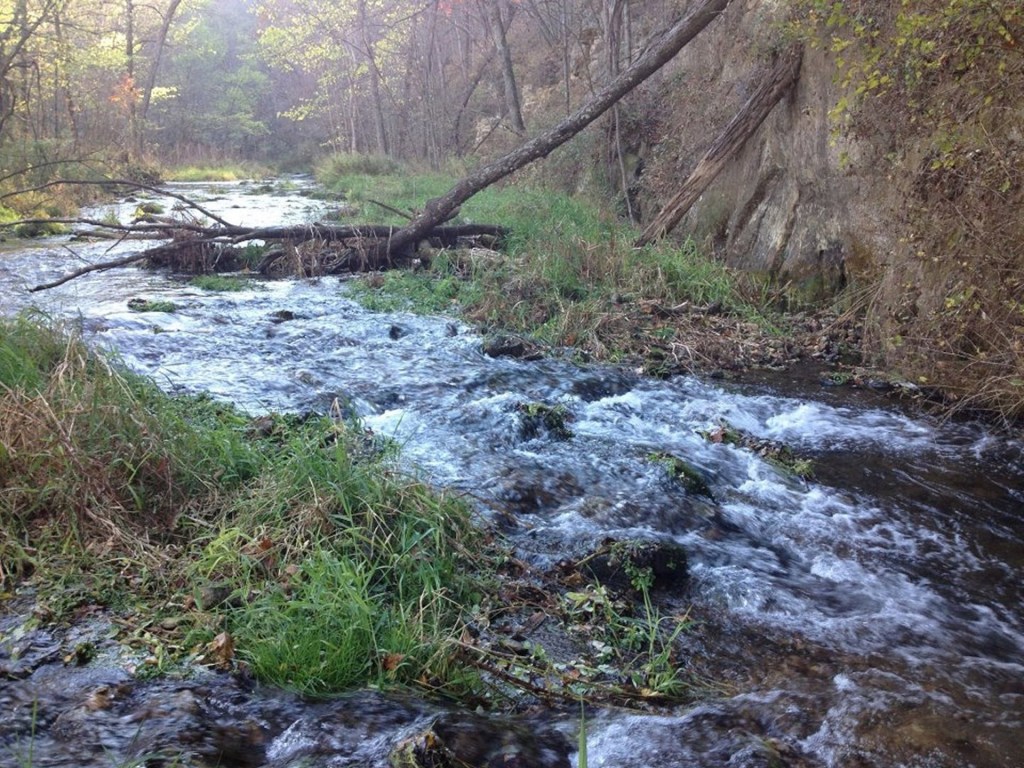
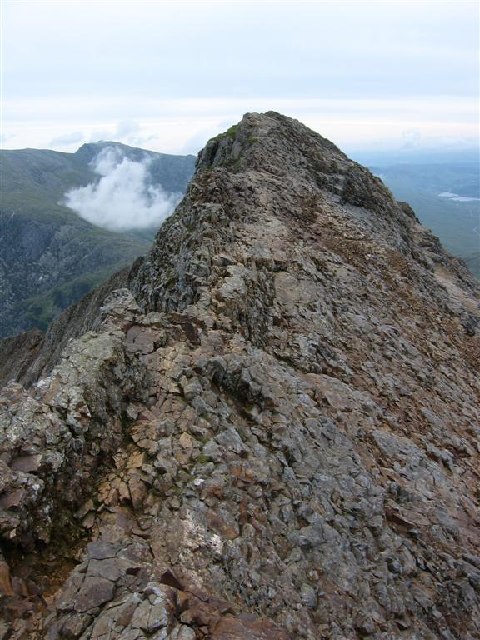
Beginnings in the crags, where the mist skeins slide over rubbled morain, where the clouds purple and brood. The water is nowhere and everywhere, tinkling and spidered under the stones, the little rivulets caught between plains of sky and scree.
Matthew Richardson is a writer of short stories. His work has featured in Gold Dust magazine, Literally Stories, Close to the Bone, McStorytellers, Penny Shorts, Soft Cartel, Whatever Keeps the Lights On, Flashback Fiction, Cafelit, Best MicroFiction 2021, Writer’s Egg, Idle Ink, The Wild Word, and Shooter magazine. He is a doctoral student at the University of Dundee, a lucky husband, and a proud father. He blogs at www.matthewjrichardson.com.
Half a mile in and the bed-borne grogginess is starting to wear off. The frost is laid thin on the ground, not much more than a translucent smear on the pavement, and certainly not enough to slow his stride.
Trainers hitting tarmac provide the only real noise of the pre-dawn – muffled thumps on top of that unearthly, silent roar of a day not broken, of a world not yet roused from sleep. The man’s fingertips are numb, but already the pleasant ache of muscles working warms him from the inside.
The real warmth, however, comes from the few dull, window-warped ensuite lights shining out into the darkness. It comes from the odd car ticking over in a driveway, pluming exhaust fumes into the morning as the frost creeps back from the windscreen, from the flickering blue light playing onto drawn living room blinds as some night owl slumbers in front of MTV-left-blaring.
It comes from the knowledge that he, and he alone, runs the streets at this hour.