Stories in Golddust Magazine, Literally Stories, Idle Ink, Writer's Egg, CafeLit, McStorytellers, Whatever Keeps the Lights On, Flashback Fiction, Down in the Dirt, Close to the Bone, Shooter, Soft Cartel, Fiction Junkies, and Heavenly Flower Publishing
Our previous attempt at climbing Ben Vane in March of this year had to be abandoned after the weather turned on us close to the summit. We were pretty sure that we had made the right decision at the time – the lowering snow clouds chased us down the mountain – but the questions of how close we had come to the top and whether we should have pushed on through the weather had been prodding away at me ever since.
My clients’ time is limited, as for that matter is mine in this role. Putting people to death was never exactly a career path – witness the hoods and cowls my predecessors wore to protect their identity – but public opinion has very much turned against capital punishment. The world war has been over for fifteen years and the public have decided that they’ve had enough slaughter for now. Add the executions of people like Ruth Ellis, pretty blonde cupcake that she was, and the mood around the noose really soured.
The line lands noiselessly between the waves. Arthur hasn’t got long – a great grandfather’s absence at a christening for any length of time is bound to cause concern. He has not gone far – the music is still faintly audible down here on the darkling pier.
And cast…
Wind, wind…
Arthur’s fingers never used to hurt when he spun for mackerel. His hands didn’t used to look like this, either – thick-knuckled and eel-veined.
‘…a sentence or a passage is rhythmical if, when said aloud, it falls naturally into groups of words, each well fitted by length and intonation for its place in the whole and its relation to its neighbours. If you’re writing prose, the best guide is to cultivate an instinct for the difference between what sounds right and what sounds wrong, a syllable-by-syllable attention to sound, a feel for rhyme and breath.’
Review
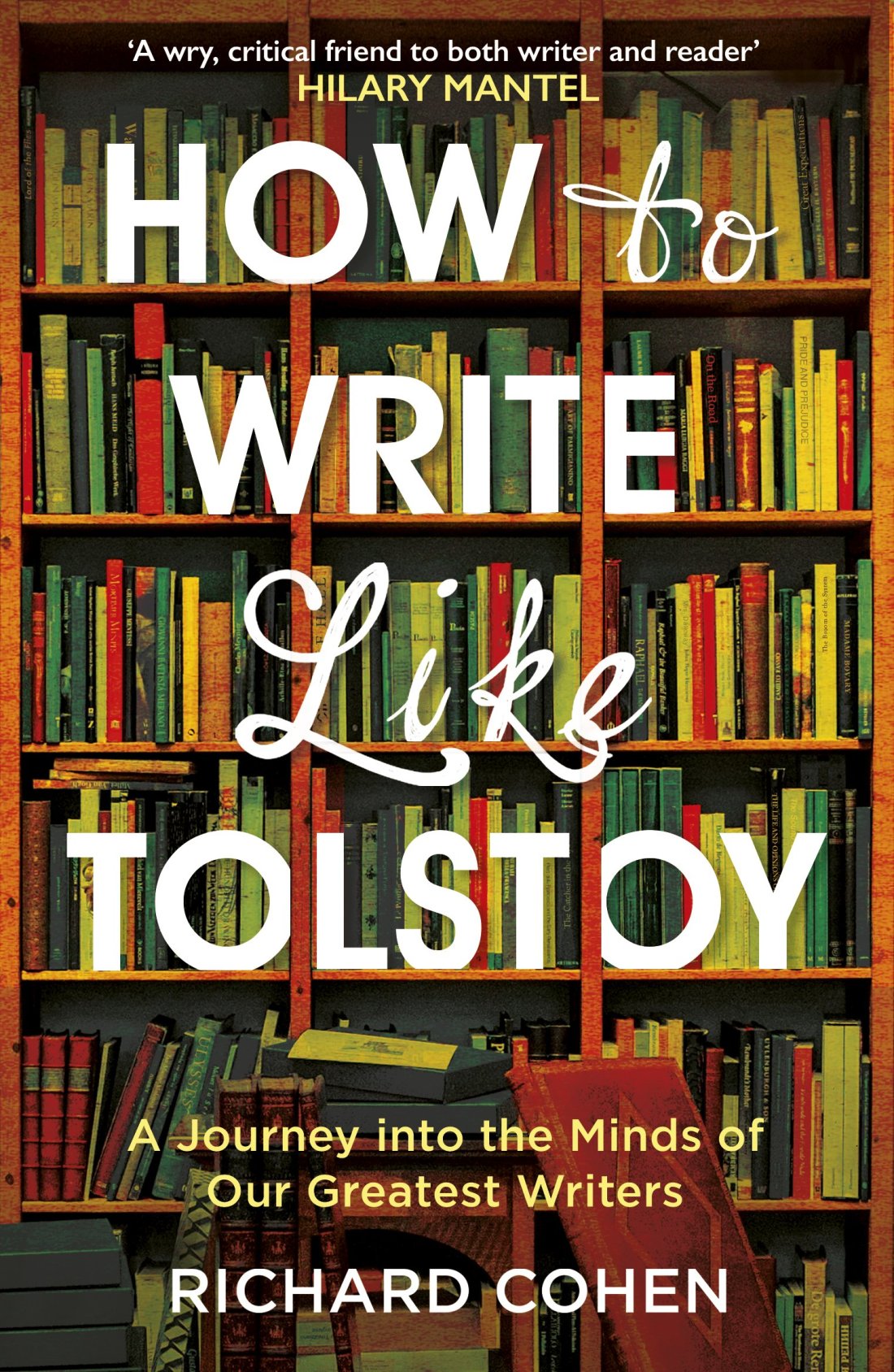
Despite the incontrovertible fact that reading about writing inevitably (in the short term at least) makes one less productive, it is a habit I frequently fall into. Whether it is writing whilst standing up (Hemingway) or scribbling to the smell of rotten apples (Schiller) it is tempting to believe that if we change one or two writing rituals we will find ourselves blessed with inspiration or writing for sixteen hour stretches. So it was that I added ‘How to Write Like Tolstoy’ to a modest collection including Strunk and White’s ‘Elements of Style’ and Stephen King’s ‘On Writing’.
One could always identify them from their determined stare into the middle distance, from their hunched shoulders as they stood in the rain despite the cover afforded elsewhere. Black or dull browns to avoid attention. Waterproofs up around their necks to avoid rainwater running down. If Martin’s training hadn’t blocked the impulse, he might have smiled at his young rival.
Leaps forward in science necessitate risk. Whether the leap justifies the risk is a judgement for the scientist. All of which self-satisfied claptrap didn’t help Greg much as he lay in his hospital bed, waiting for doctors’ rounds to alleviate his boredom.
Above the beeping of IV bags requiring attention and the intermittent ringing of a telephone at reception, Greg could hear a pair of doctors discussing the x-ray of a fellow patient. Consumed by a minor argument over whether a fracture was greenstick or oblique, the medics had no perception of what it was they held in their hands, and more importantly the cost by which it was obtained. Marie Curie had died in acquiring the knowledge that allowed their petty argument to commence. The ability to look inside someone’s body was so valuable, so undreamt of, that Curie had deemed it worthy of her life and health. Such knowledge carried with it a value entirely because it was so dearly bought. So much was taken for granted.
Politicians, particularly those approaching the end of their time in power, tend to focus on legacy. The Monroe Doctrine, the Marshall Plan, and the Third Way are all examples of attempts to leave behind something tangible. They are the fenceposts to which administrations and existences can be tethered, held fast by a conviction that time and lives were spent in the service of something greater than themselves.









 Matthew Richardson